Home maintenance is easier when tasks are spread across the year. Seasonal changes provide a natural reminder to inspect the parts of a house that work harder in heat, cold, rain, wind, or periods of heavy indoor use.
This checklist is a planning tool, not a substitute for the service schedule of your specific equipment. Climate matters too. A home in a hot, humid region will not have the same priorities as a home with freezing winters.
Spring: look for winter wear and water problems
Spring is a good time to walk around the exterior after the harshest weather has passed. From the ground, look for damaged trim, loose material, stains, obvious roof-edge problems, and areas where water has been collecting.
- Check visible gutters and downspout discharge after rain.
- Look for standing water near walkways and the foundation area.
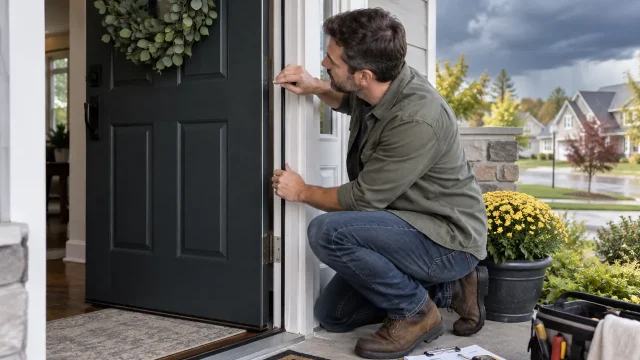
- Inspect exterior caulk and weather stripping for obvious failure.
- Clean accessible window tracks and screens.
- Check outdoor faucets and hose connections for leaks.
- Schedule air-conditioning service if your equipment requires professional seasonal maintenance.
Avoid climbing onto roofs or unstable ladders for a casual inspection. Ground-level observations can identify many issues that deserve a professional look.
Spring: reset outdoor spaces before heavy use
Clean patios and walkways, inspect outdoor furniture for instability, and remove trip hazards that accumulated during colder months. If you use grills, fire features, or outdoor electrical equipment, inspect them according to the manufacturer instructions before the season begins.
Summer: focus on cooling, moisture, and exterior use
During hot weather, pay attention to HVAC airflow, window shading, refrigerator performance, and bathroom or basement humidity. Check filters more often if the cooling system runs heavily or renovation and outdoor dust are increasing indoor debris.
- Keep supply and return grilles clear.
- Inspect door and window seals in heavily conditioned rooms.
- Watch for condensation or persistent damp areas.
- Keep dryer exhaust and lint management on schedule.
- Trim vegetation that blocks normal access to exterior equipment, following equipment-clearance guidance.
Summer: monitor water use and drainage
Outdoor watering can reveal leaking hose connections, poorly directed sprinklers, or low spots that stay saturated. Correct simple issues early and avoid directing water against the house. Major grading or drainage changes are better planned with qualified help.
Fall: prepare before temperatures drop
Fall maintenance is largely about reducing surprises during colder weather. Check the heating system according to its service requirements, confirm that alarms work, and inspect visible weather stripping around exterior openings.
- Schedule heating-system maintenance when required.
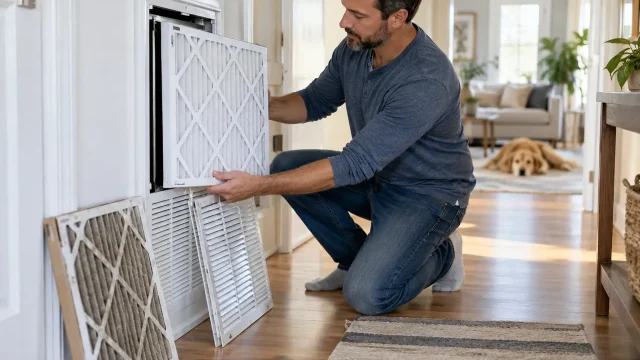
- Replace or clean HVAC filters as appropriate.
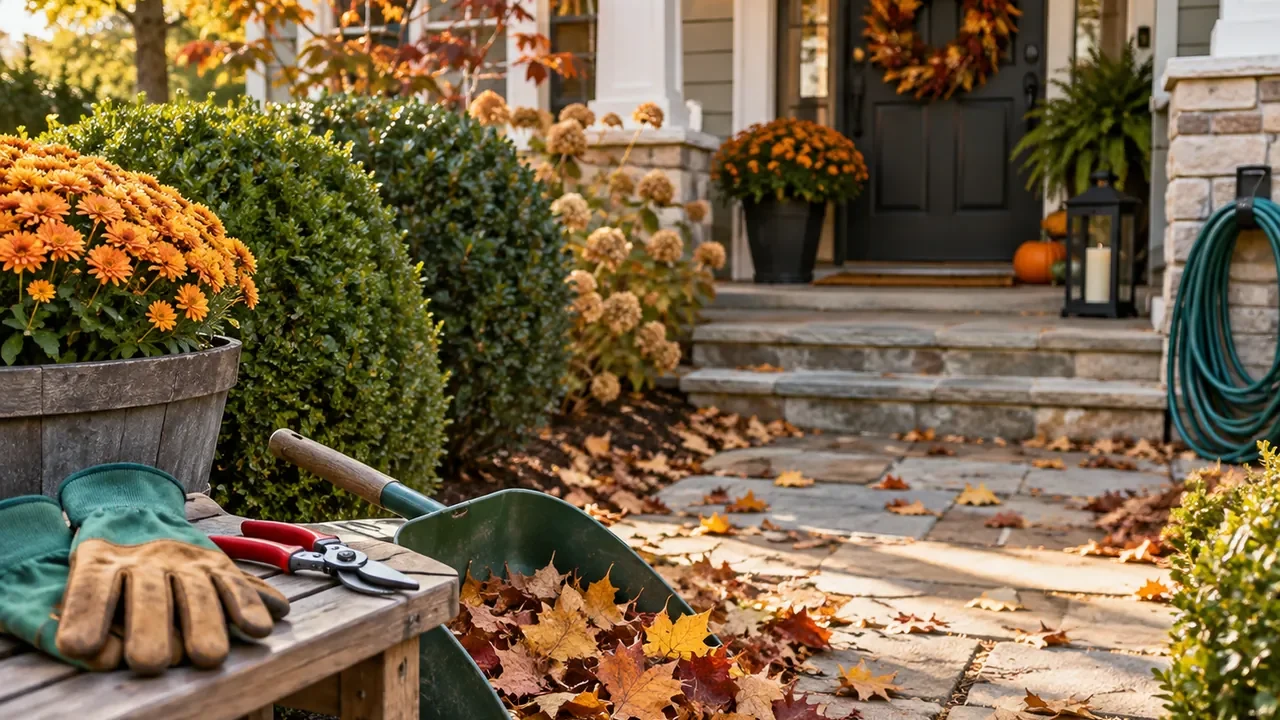
- Clear leaves from accessible drainage areas.
- Inspect exterior lighting used during shorter days.
- Store or secure seasonal outdoor items before storms.
- Review winterization steps for outdoor plumbing in climates where freezing is possible.
Fall: check the parts of the home you rely on in emergencies
Make sure flashlights work, the main water shutoff remains accessible, and emergency supplies match your local weather risks. Do not wait for the first freeze or storm warning to discover that batteries are dead or storage blocks a shutoff valve.
Winter: watch for indoor moisture and weather stress
Closed windows and colder surfaces can change indoor humidity patterns. Watch for persistent condensation, damp window areas, plumbing leaks, and musty spaces. In freezing climates, follow appropriate pipe-protection guidance for your home and do not use unsafe open flames or improvised heating methods.
- Check filters and heating airflow.
- Keep vents and heating equipment clear of stored items.
- Look for water staining after storms.
- Monitor rarely used rooms for unusual cold or moisture.
- Keep walkways and entrances safe according to local weather conditions.
Winter: plan rather than start unnecessary projects
Winter can be a good time to review the year’s maintenance notes, collect estimates for larger work, and plan spring projects. A written list prevents minor issues from disappearing from memory once the season changes.
Tasks that belong every month
Some checks are more useful on a monthly rhythm than a seasonal one: looking for leaks, checking filters, testing alarms as directed, cleaning appliance filters, inspecting bathroom moisture, and keeping important shutoffs accessible.
Make the checklist fit your actual home
Add equipment-specific tasks from your manuals and remove anything that does not apply. A condo, apartment, detached home, and rural property have very different responsibilities. If an association, landlord, or building manager controls a system, know which maintenance tasks are yours and which are not.
The best seasonal checklist is short enough to use. A few well-timed inspections throughout the year are more valuable than a huge list that never gets opened.