Season changes are a useful reminder to reset the parts of the property that are exposed to weather. A short review can protect furniture, clear drainage paths, and make sure outdoor equipment is stored or ready before conditions become more demanding.
The exact tasks depend on climate. Use local weather patterns, plant guidance, freeze risk, storm season, and water restrictions to decide which items matter where you live.
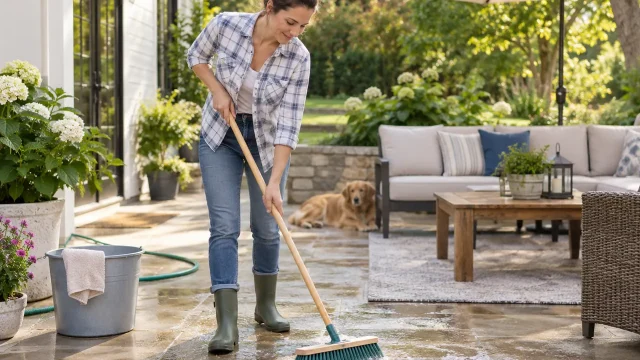
Clean and dry outdoor furniture
Remove dirt, food residue, and organic material using methods appropriate for the furniture material. Let cushions and frames dry fully before covering or storing them so moisture is not trapped.
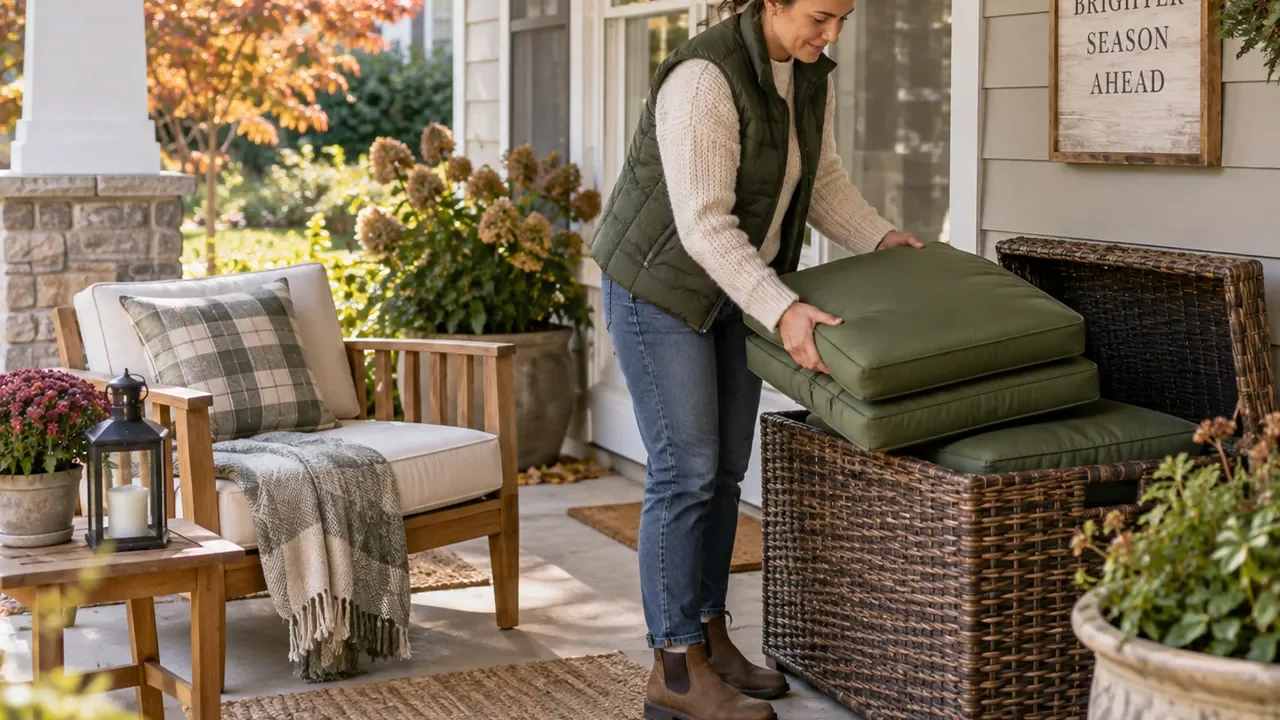
Inspect covers and storage areas
Check that furniture covers fit securely but do not create trapped-water pockets. Clean sheds, deck boxes, or garages enough that seasonal items can be stored without blocking access or ventilation.
Review hoses and outdoor water connections
Look for cracked hoses, leaking fittings, and damaged nozzles. In freeze-prone climates, follow local and manufacturer guidance for winterizing hose bibs, irrigation, and other water systems.
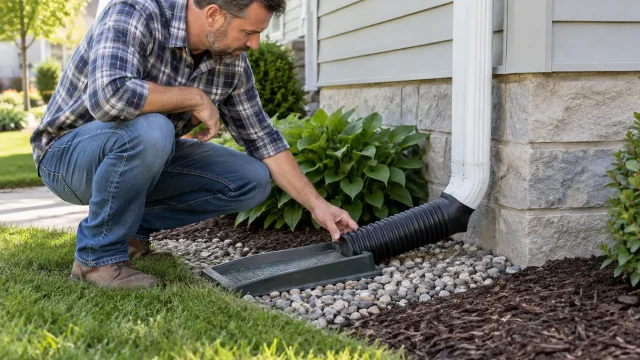
Clear ground-level drainage paths
Remove leaves and debris from accessible surface drains, channels, and downspout discharge areas. Watch where rainwater flows and correct simple blockages before a heavy-weather period.
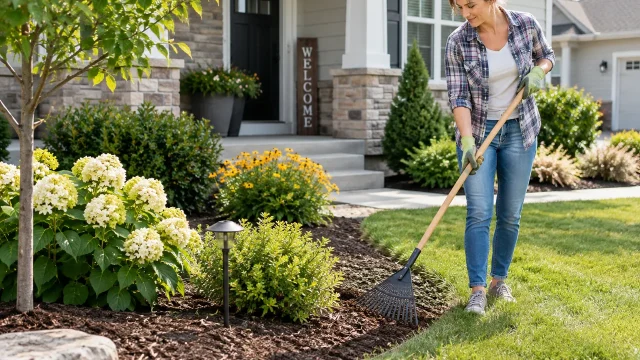
Adjust plant care for the season
Watering, pruning, fertilizing, and frost protection vary by plant and climate. Avoid applying a single seasonal rule to every plant. Use region-specific horticultural guidance for important trees and landscaping.
Check outdoor lighting
Clean accessible lenses, confirm timers or sensors are set appropriately for changing daylight hours, and look for damaged fixtures or exposed wiring. Electrical repairs should be handled by a qualified professional.
Inspect paths and steps
Look for loose pavers, slippery buildup, trip hazards, damaged handrails, or objects that could be hidden by leaves or snow. Keeping access routes clear is more important than decorative seasonal changes.
Secure lightweight items before stormy weather
Move or secure umbrellas, loose planters, tools, toys, and lightweight furniture when strong winds are expected. Follow local severe-weather guidance rather than relying only on ordinary storage habits.
Service seasonal equipment before it is urgently needed
Check the owner’s manuals for mowers, trimmers, snow equipment, grills, or other seasonal tools. Clean, store, or prepare them according to fuel, battery, and maintenance instructions.
Quick checklist
- Clean and fully dry furniture before covering or storing it.
- Clear accessible drainage paths and downspout discharge areas.
- Adjust plant care to local seasonal conditions.
- Check paths, steps, lighting, and handrails.
- Secure lightweight outdoor items before severe weather.
- Follow equipment manuals for seasonal storage and service.
Common questions
When should seasonal outdoor maintenance be done?
Do it early enough that you are not working during the first extreme-weather event. The best timing depends on your climate, so use local forecast patterns and seasonal guidance.
Should outdoor furniture stay covered all year?
That depends on the furniture and cover design. Covers can protect from weather but may also trap moisture if ventilation is poor. Follow the furniture and cover manufacturer guidance.
Work with the site and the weather
Outdoor maintenance should adapt to local climate, drainage, plant needs, and weather conditions. Avoid working at unsafe heights or during heat, storms, strong wind, or slippery conditions. Before digging, edging, or driving stakes, account for irrigation, lighting, and any buried services that may be present.
Use local horticultural and municipal guidance when water restrictions, invasive plants, runoff rules, or seasonal weather create special requirements. A low-maintenance outdoor space is easier to manage when the plan fits the site instead of fighting it.
Bottom line
Seasonal outdoor maintenance is a transition check, not a complete landscape renovation. Clean and dry what will be stored, keep water paths open, adjust plant and equipment care to the climate, and remove hazards from walkways. A few planned tasks are much easier than reacting after the weather has already changed.