Outdoor surfaces collect dust, leaves, food spills, algae, soil, and weather stains, but the strongest cleaning method is not always the best one. Concrete, pavers, natural stone, coated surfaces, and composite materials can react differently to chemicals and pressure.
Start gently and identify the patio material before choosing a cleaner or machine. A controlled maintenance routine is usually safer than waiting for heavy buildup and then attacking the surface aggressively.
Identify the surface and any coating
Determine whether the patio is concrete, brick, paver, natural stone, tile, wood, composite, or another material. Also note sealers, paint, or coatings because those may have their own cleaning limits.
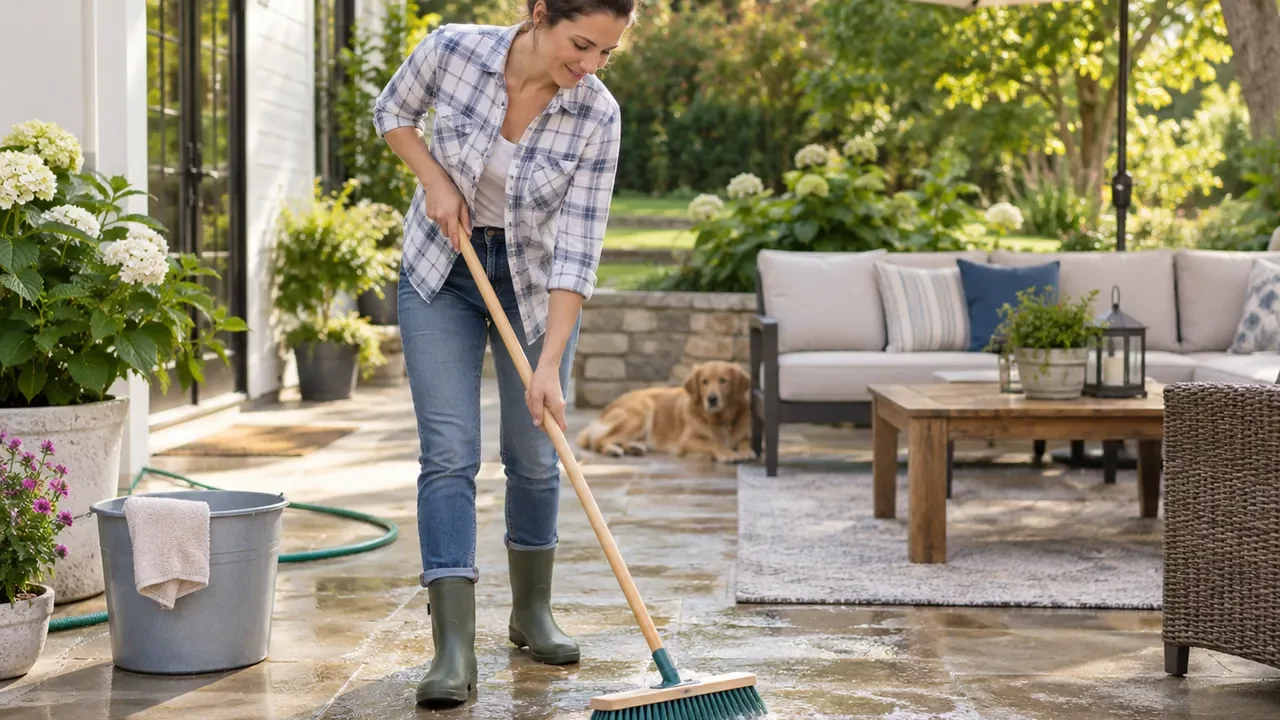
Sweep thoroughly before adding water
Dry leaves, sand, and loose soil are easier to remove before they become muddy. Pay attention to corners, drainage paths, and gaps around furniture legs.
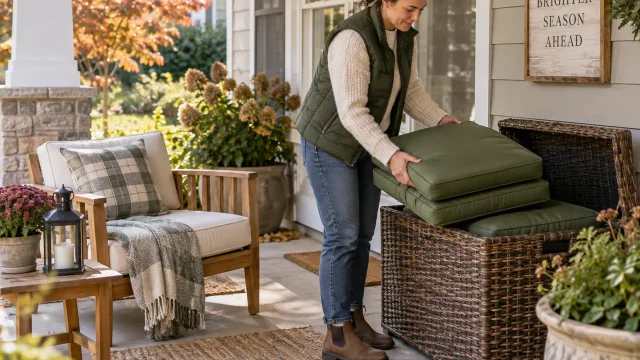
Move furniture in sections
Instead of clearing the entire patio if space is limited, move a group of items, clean the exposed area, let it dry, and then continue. Lift furniture when possible rather than dragging it across a finished surface.
Spot-clean stains first
Use a cleaner recommended for the exact material and type of stain. Test in an inconspicuous location and follow dilution, dwell time, rinsing, and protective-equipment instructions on the label.
Use pressure washing cautiously
High-pressure water can etch some surfaces, remove joint sand, damage soft stone, lift coatings, or force water into places it should not go. If pressure washing is appropriate, use settings and attachments recommended for the surface and keep a controlled distance.
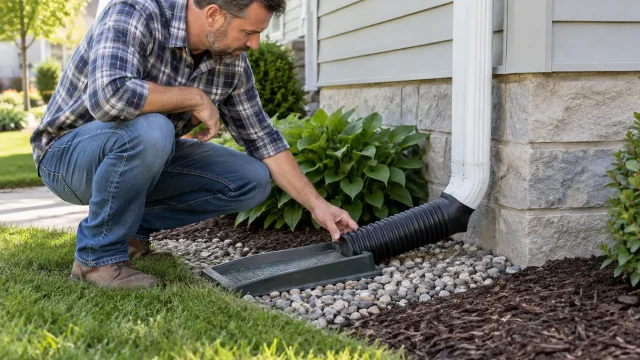
Protect drainage and nearby planting
Do not wash debris, oil, or harsh cleaning solutions into storm drains or garden beds. Follow local rules for runoff and product disposal, and collect debris before rinsing.
Clean furniture before returning it
Wiping the patio and then placing dirty furniture back on it quickly reintroduces grime. Clean furniture using methods appropriate for its material and make sure feet or glides are intact so they do not scratch the surface.
Inspect joints, cracks, and edges
After cleaning, small defects are easier to see. Note loose pavers, eroded joint material, cracks, or areas that hold water. Repair methods depend on the patio system, so use suitable materials rather than filling every gap with a generic product.
Create a light maintenance rhythm
Sweep regularly, clean spills promptly, and move planters occasionally so moisture and staining do not remain hidden underneath. Small maintenance sessions reduce the need for harsh annual cleaning.
Quick checklist
- Identify the patio material and coating first.
- Sweep dry debris before using water.
- Test cleaners in an inconspicuous area.
- Use pressure only when the surface and manufacturer guidance allow it.
- Protect drains and nearby plants from contaminated runoff.
- Inspect the clean surface for cracks, loose joints, or drainage issues.
Common questions
Is pressure washing safe for every patio?
No. Some stone, coatings, joints, and older concrete can be damaged by excessive pressure. Check the surface manufacturer guidance or use a gentler method when you are unsure.
How can I reduce green buildup on a patio?
Improving drainage, sunlight exposure where practical, air movement, and regular sweeping can reduce conditions that favor persistent organic buildup. Use a surface-safe cleaning product when needed and follow local runoff rules.
Work with the site and the weather
Outdoor maintenance should adapt to local climate, drainage, plant needs, and weather conditions. Avoid working at unsafe heights or during heat, storms, strong wind, or slippery conditions. Before digging, edging, or driving stakes, account for irrigation, lighting, and any buried services that may be present.
Use local horticultural and municipal guidance when water restrictions, invasive plants, runoff rules, or seasonal weather create special requirements. A low-maintenance outdoor space is easier to manage when the plan fits the site instead of fighting it.
Bottom line
A patio stays easier to clean when you start with the mildest effective method. Identify the material, remove dry debris, spot-treat carefully, and use water or pressure only as the surface allows. Regular sweeping and prompt spill cleanup will usually protect the finish better than occasional aggressive cleaning.