A low-maintenance yard is not a yard with no work. It is a yard where the routine is predictable, plants suit the conditions, and small problems are noticed before they become weekend-long projects.
You can reduce effort by walking the same route each week, focusing on what has actually changed, and matching maintenance to the season rather than trying to perform every task on a fixed calendar.
Walk the yard once a week
Look for broken branches, wilting plants, standing water, irrigation leaks, new weeds, pest damage, and anything blocking a path. A short inspection helps you choose the one or two tasks that matter most that week.
Water based on need, not habit alone
Plant type, soil, rainfall, temperature, and local restrictions all affect watering. Check soil conditions and follow local horticultural guidance rather than assuming every area needs the same amount on the same day.
Keep edges simple
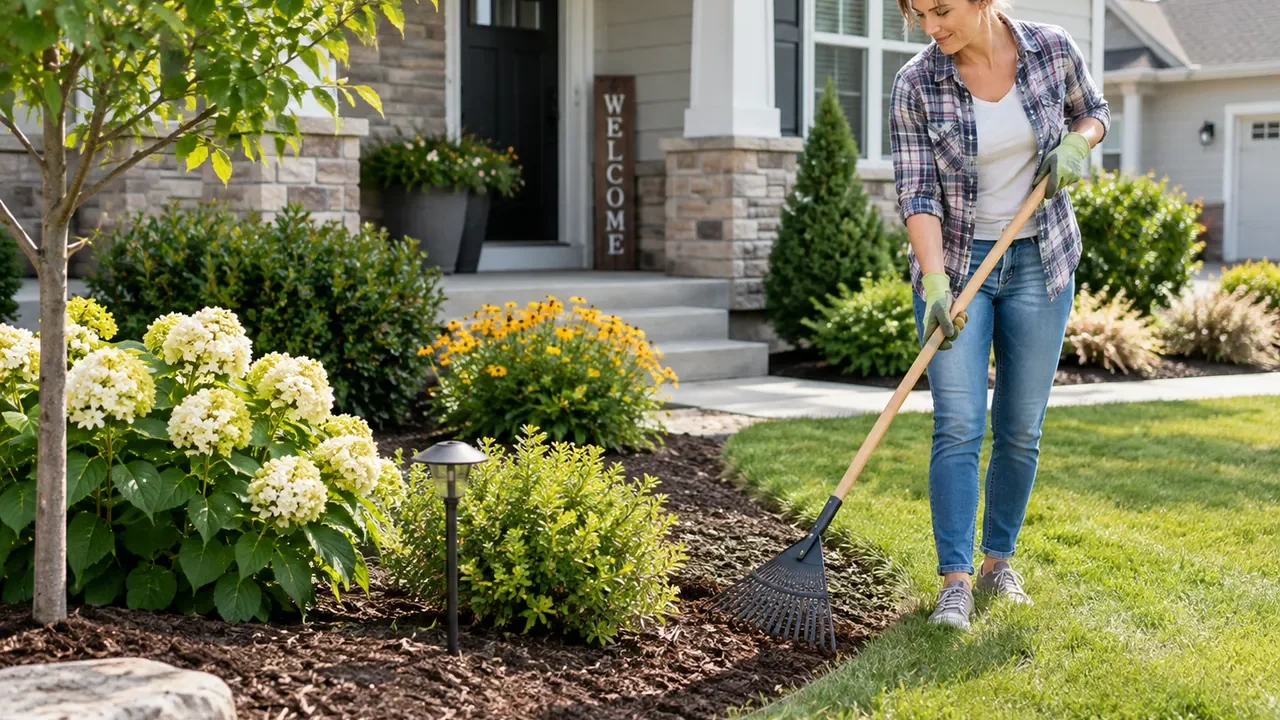
Clear borders around paths, beds, and lawn make the yard look maintained even when plants are not perfectly shaped. Use safe tools and check for irrigation lines, lighting cables, and other buried services before edging or digging.
Remove weeds while they are small
A few minutes of targeted weeding is easier than waiting for mature plants to spread or seed. Use methods appropriate for the area and follow product labels if any herbicide is used.
Prune for health and access, not constant shaping
Remove dead or damaged growth when appropriate and keep branches away from paths, structures, and sight lines. Learn the correct pruning time for important plants because heavy trimming at the wrong season can reduce flowering or stress the plant.
Use mulch where it makes sense
A suitable mulch layer can help moderate soil moisture and reduce weeds in planting beds. Keep mulch away from direct contact with trunks and building materials where local best practices recommend clearance.
Choose plants for the site
Plants that match the sun, soil, mature size, and climate usually require less intervention than plants forced into unsuitable conditions. When replacing a struggling plant, consider whether the location is the real problem.
Keep tools ready for short sessions
Store gloves, hand pruners, a small weeding tool, and waste bags where they are easy to reach. Maintenance is more likely to happen when a ten-minute job does not require searching the garage for supplies.
Schedule a seasonal reset
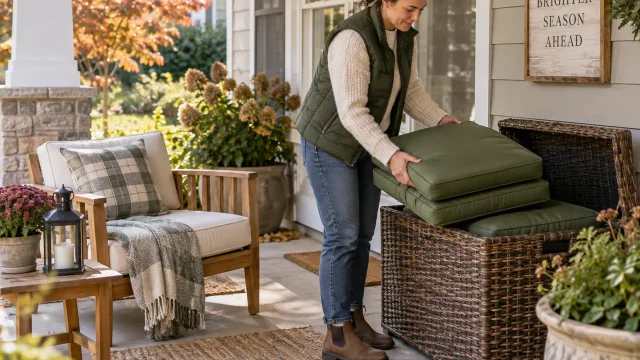
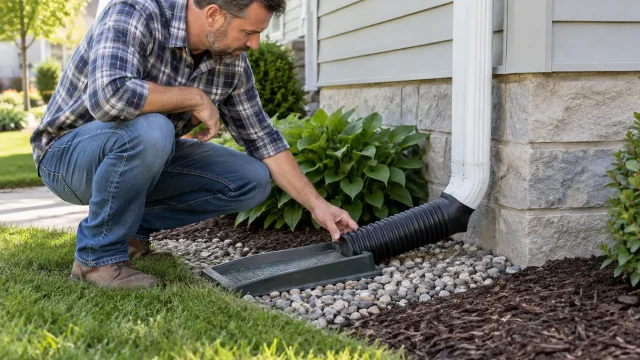
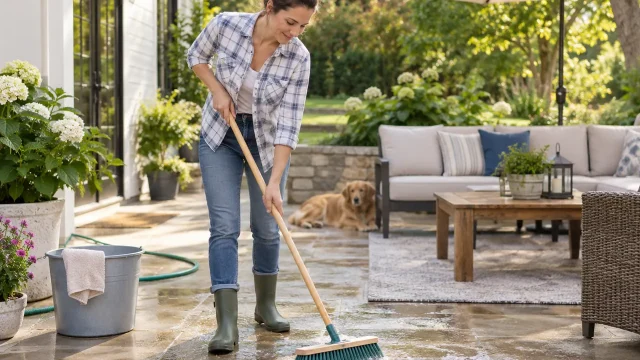
A few times a year, review irrigation, clean up dead seasonal growth, inspect outdoor drainage, and plan any larger pruning or soil work. Seasonal resets keep the weekly routine small.
Quick checklist
- Walk the same route around the yard each week.
- Water according to conditions and local guidance.
- Remove small weeds before they spread.
- Keep paths, edges, and entrances clear.
- Choose plants that fit the site instead of fighting the conditions.
- Do a larger seasonal review only a few times a year.
Common questions
What makes a yard high maintenance?
Common causes include plants that are too large for their location, large areas that need frequent watering or mowing, complicated bed shapes, poor access, and deferred maintenance. Simplifying one of those systems can reduce recurring work.
Do low-maintenance yards have to use gravel or artificial turf?
No. Low maintenance can come from appropriate plant selection, efficient layout, sensible irrigation, and fewer problem areas. The best materials depend on climate, drainage, local rules, and how the space is used.
Work with the site and the weather
Outdoor maintenance should adapt to local climate, drainage, plant needs, and weather conditions. Avoid working at unsafe heights or during heat, storms, strong wind, or slippery conditions. Before digging, edging, or driving stakes, account for irrigation, lighting, and any buried services that may be present.
Use local horticultural and municipal guidance when water restrictions, invasive plants, runoff rules, or seasonal weather create special requirements. A low-maintenance outdoor space is easier to manage when the plan fits the site instead of fighting it.
Bottom line
A low-maintenance yard is created by good choices and early attention. Walk the space regularly, keep edges and paths under control, water according to real conditions, and choose plants that fit the site. That routine turns yard care into a series of short tasks instead of repeated rescue projects.