A backyard can feel unfinished even when it does not need a major landscaping project. Often the biggest improvement comes from defining how the space is used: where people sit, where tools go, how paths are kept clear, and which areas need a little structure.
The ideas below are intentionally simple. Before digging, drilling, or installing anything permanent, check property rules, underground utility requirements, drainage patterns, and local restrictions.
1. Start with a cleanup that creates visible edges
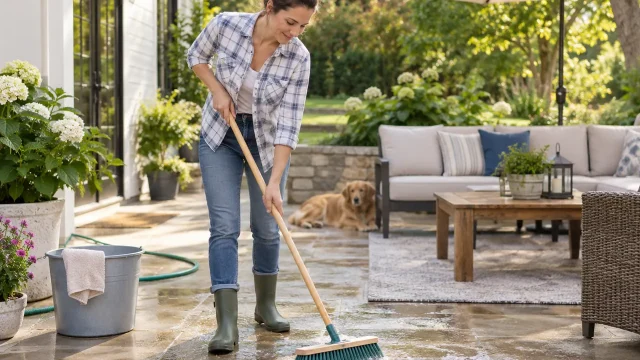
Remove broken pots, empty packaging, dead annuals, loose branches, and objects that migrated outside without a purpose. Sweep hard surfaces and clear the edges of patios and walkways. A yard often looks more finished as soon as its boundaries are visible again.
2. Create one clear seating zone
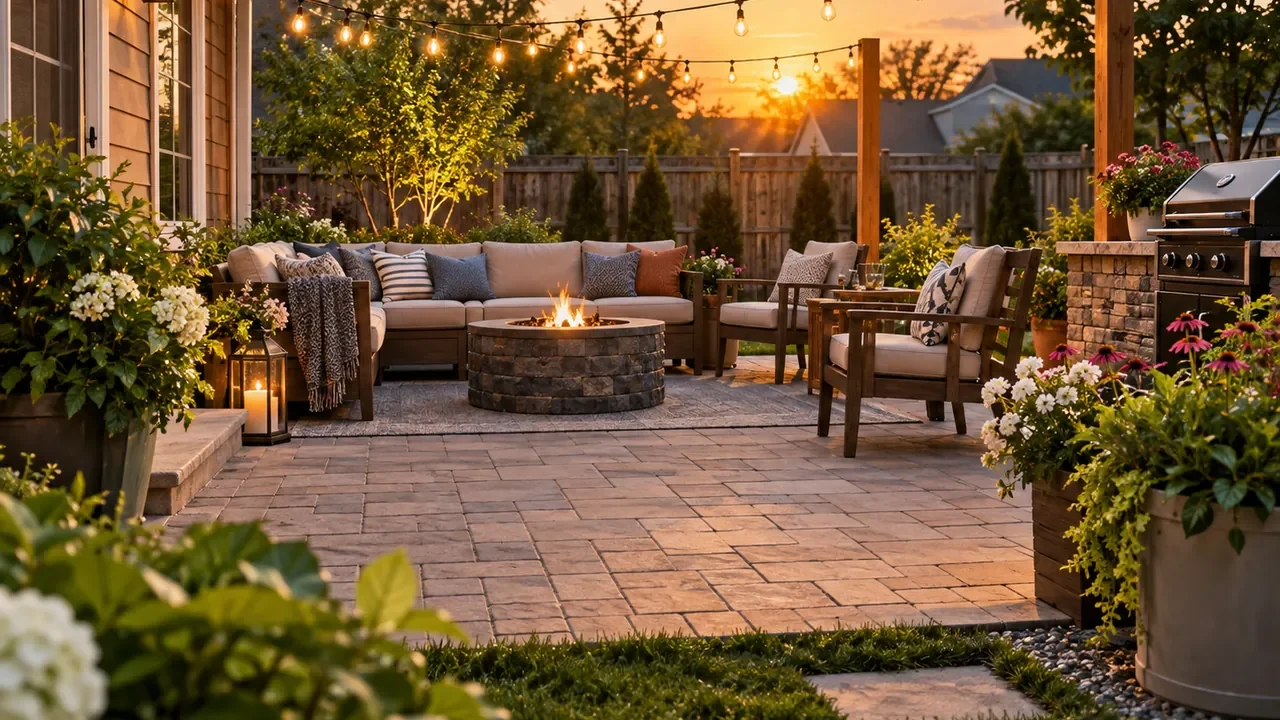
Instead of spreading chairs randomly across the yard, group seating around a practical focal point such as a small table, shade area, or view of the garden. Even inexpensive outdoor chairs look more intentional when they form a defined zone.
Place furniture on a stable surface and keep circulation paths clear.
3. Group containers instead of scattering them
Three or five planters grouped together can look more purposeful than the same containers placed randomly. Vary height slightly and choose plants that suit your local light and climate. Make sure containers have appropriate drainage and will not create staining or standing water where they sit.
4. Add simple path lighting
Low-voltage or solar path lights can improve visibility and make an evening yard feel more welcoming. Use outdoor-rated products and place them where they help define a path rather than creating glare. Electrical outdoor lighting that requires new wiring should be installed according to local requirements by someone qualified for the work.
5. Refresh a small patch of mulch
A neat mulch layer can make a planting bed look cared for while helping manage soil moisture and weeds. Keep mulch away from direct contact with siding and avoid piling it deeply against tree trunks or plant stems.
You do not have to remulch the entire property. Refreshing the entry bed or patio border may be enough for a noticeable change.
6. Straighten one border
Grass creeping into a bed or gravel spreading across a walkway can make the area look messy. Redefining a short edge with an appropriate hand tool can produce a clean line quickly. Avoid digging where utilities, irrigation, or shallow cables may be present.
7. Give garden tools a home
A wall rack, weather-resistant storage box, or a few sturdy hooks can keep hoses and hand tools from collecting around the patio. Store tools safely, out of travel paths, and keep chemicals or sharp equipment secured from children and pets.
8. Improve the hose setup
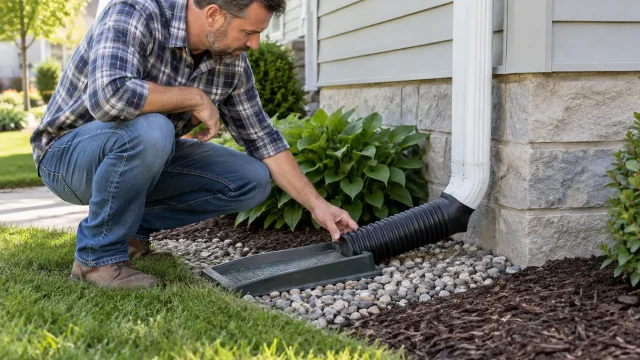
A tangled hose makes even a tidy yard feel cluttered. Add a reel, hanger, or storage pot that fits the hose length and faucet location. Check washers and connections while you are there, and repair persistent leaks instead of letting water run down the wall or foundation area.
9. Add one useful outdoor surface
A small side table, potting surface, or serving cart can make the space easier to use without becoming a full outdoor kitchen project. Choose materials rated for outdoor conditions and make sure the piece is stable on the surface below it.
10. Build a five-minute maintenance station
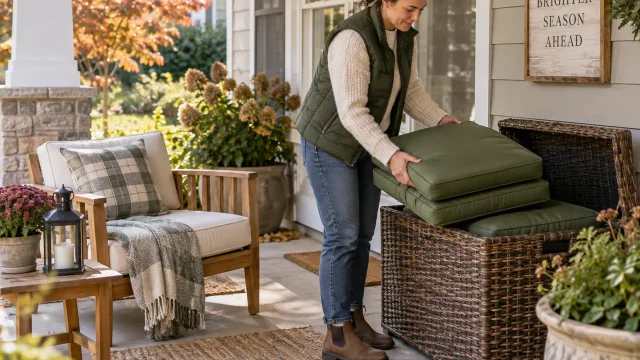
Keep a small outdoor basket or cabinet with gloves, a hand brush, plant ties, trash bags, and other items you use constantly. When tools are nearby, you are more likely to handle a small task before it becomes a full cleanup day.
Choose improvements that match how you use the yard
A beautiful outdoor space that is inconvenient will not stay organized. If you have children, pets, frequent guests, container plants, or a lot of seasonal equipment, let those needs shape the layout. The goal is not to copy a picture. It is to make the yard easier to reset after normal use.
What to leave for a professional
Projects involving large tree limbs, retaining walls, major grading, drainage changes, electrical work, gas lines, unstable structures, or anything that affects neighboring property are different from weekend styling projects. Those jobs can involve serious safety and code issues.
For a simple weekend, focus on cleanup, organization, lightweight furniture, containers, and maintenance. Those changes are easy to finish and easy to adjust later as you learn how you actually use the space.