A home does not need a major renovation to feel more finished. Small upgrades can have an outsized visual effect when they solve something you see or touch every day: a dim hallway, worn cabinet hardware, cluttered entry, or badly placed curtain rod.
The best low-cost projects are usually the ones that improve both appearance and daily use. Before buying anything, walk through one room and identify the detail that bothers you most.
1. Replace mismatched cabinet and drawer hardware
New pulls or knobs can give an older kitchen, bathroom vanity, or built-in cabinet a more consistent look. Measure the existing hole spacing before buying replacements. Choosing hardware that uses the same holes prevents unnecessary drilling and makes the project easier to reverse.
2. Improve the lighting color and consistency
A room can feel disjointed when nearby bulbs have noticeably different color temperatures or brightness levels. Replace failed or mismatched bulbs with compatible products that create a consistent look. Make sure bulbs are suitable for the fixture and do not exceed its rating.
You do not need the brightest bulb available. The goal is comfortable, useful light for the room.
3. Paint one high-impact area instead of the whole house
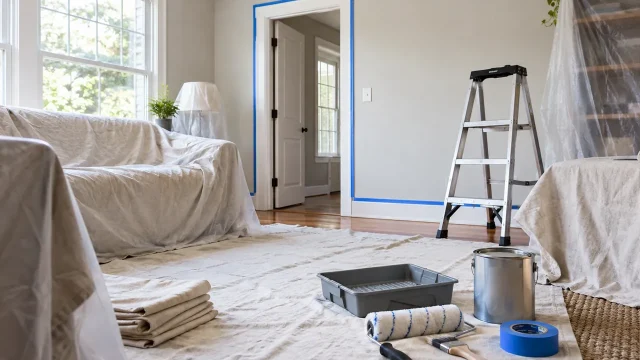
A fresh wall behind a bed, an entryway, a small powder room, or a worn section of trim may provide more visual payoff than starting a full-house painting project you cannot finish. Prepare the surface carefully, protect floors, and use paint intended for the material and room conditions.
4. Re-caulk tired edges where appropriate
Old, cracked, or discolored caulk around a sink, backsplash, or trim joint can make the entire area look neglected. Removing failed material and replacing it neatly can sharpen the edge and help protect appropriate joints from moisture.
Use a product designed for the location. Do not simply cover active water damage or movement with new caulk; find the cause first.
5. Raise the curtain rod when the room allows it
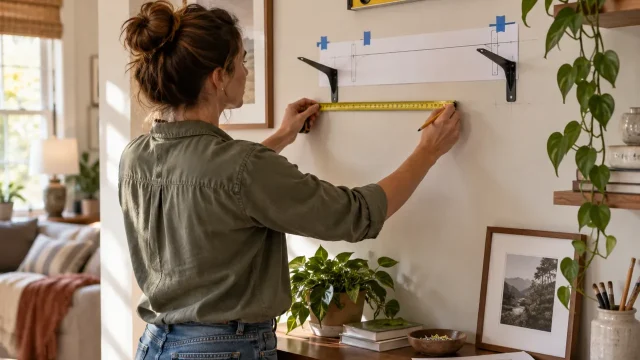
Curtains often look more intentional when the rod is positioned with the proportions of the wall and window in mind rather than sitting tightly against the frame. Before drilling, check for hidden utilities and use suitable anchors or framing support for the wall type.
6. Create a defined entry drop zone
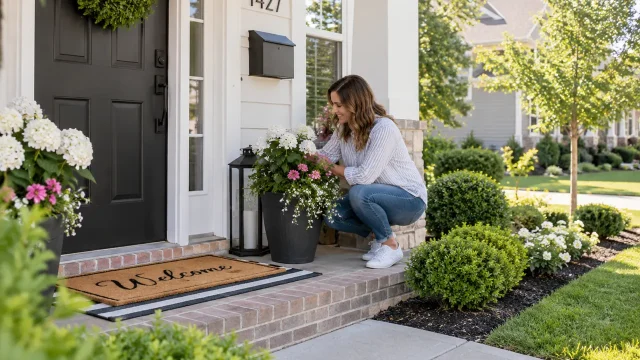
A small tray, wall hooks, shoe basket, or narrow shelf can stop keys, mail, bags, and shoes from spreading into the first room people see. The upgrade is inexpensive because it relies more on assigning a place than adding furniture.
7. Replace worn switch and outlet covers
Discolored or painted-over cover plates can make freshly painted walls look unfinished. Replacing the external cover plate is a small visual improvement, but treat electrical components with respect. If a receptacle or switch itself is loose, damaged, hot, sparking, or not working correctly, use a qualified electrician rather than treating it as a cosmetic job.
8. Add closed storage where visual clutter collects
Open shelves are useful, but not every object needs to be on display. A lidded basket, small cabinet, or matching bins can make a busy room feel calmer. Measure the space before buying storage so the solution does not create a new obstacle.
9. Update a tired faucet only when the plumbing is straightforward
A faucet can become a focal point in a kitchen or bathroom. If replacement is within your skills and the existing plumbing is accessible and in good condition, a new faucet may provide a noticeable update. If valves are corroded, plumbing is unusual, or you cannot shut off water reliably, bring in a plumber rather than forcing old connections.
10. Use one large piece of wall art instead of many small fillers
When a wall feels unfinished, the instinct is often to add many small items. One appropriately scaled piece can look cleaner and may cost less than assembling a gallery wall. Use safe mounting methods for the item’s weight and wall material.
11. Improve what you touch every day
Door handles, a shower curtain, a bath mat, cabinet organizers, a bedside lamp, or a better kitchen trash setup may not sound like design upgrades, but they can make a room feel noticeably better because they affect daily routines.
How to choose the first project
Use three questions: Is the problem visible every day? Will the change make the room easier to use? Can the project be completed safely in one session? If the answer is yes to all three, it is probably a better starting point than a dramatic project that will stay half-finished.
Spend slowly and match the house
Affordable upgrades become expensive when every small improvement turns into a chain of replacements. Pick a simple finish direction, reuse existing holes and dimensions where possible, and finish one area before shopping for the next.
The aim is not to make every room look new. It is to remove the little points of friction and visual wear that make the home feel unfinished.